The Role of Content in Building Brand Trust: A Comparative Analysis of Digital Marketing Practices
Explore how educational, interactive, and user-generated content builds brand trust through effective digital marketing strategies and audience engagement.
Content marketing often promises trust but delivers noise. Brands publish constantly, yet customers grow more skeptical. This difference between effort and outcome raises a practical question about what role content actually plays in building brand trust.
We set out to answer that by comparing digital marketing practices across industries and audience types. Our analysis reveals that trust grows when content consistently demonstrates competence, honesty, and reliability over time. Audiences trust brands that explain clearly, admit mistakes openly, and prioritize usefulness over persuasion.
Here, we’ll examine which content formats and approaches strengthen credibility at each stage of the customer relationship. We’ll also highlight common practices that erode trust, often without marketers realizing it.
If you’re ready to move past superficial engagement metrics and build genuine audience confidence, let’s dive into what works.
Educational Content Outperforms Sales Pitches Every Time
Lots of brands treat content as a delivery mechanism for offers. They publish with one hand extended, asking for a sale before earning attention. That approach fails because audiences have learned to filter it out.
Educational content flips the script. In head-to-head comparisons, this type of content outperforms promotional content in lead nurturing and engagement by a large margin. That’s because teaching builds competence signals.
When you explain a concept clearly or walk someone through a process, you demonstrate mastery without having to claim it. The audience infers your expertise naturally, which feels more trustworthy than any testimonial or badge.
So how do you implement this?
Examine your existing content.
Categorize each piece as either educational or promotional.
If promotional content dominates, you’ve identified the problem.
Next, build out resource libraries that answer the questions your customers ask before they’re ready to buy.
Create guides, glossaries, process explainers, and decision frameworks.
Use plain language and avoid internal jargon.
Structure everything for quick scanning (clear headings, short paragraphs, and practical takeaways).
Track engagement on these resources separately from your promotional metrics. You’ll likely see them become your top performers for both time-on-page and return visits.
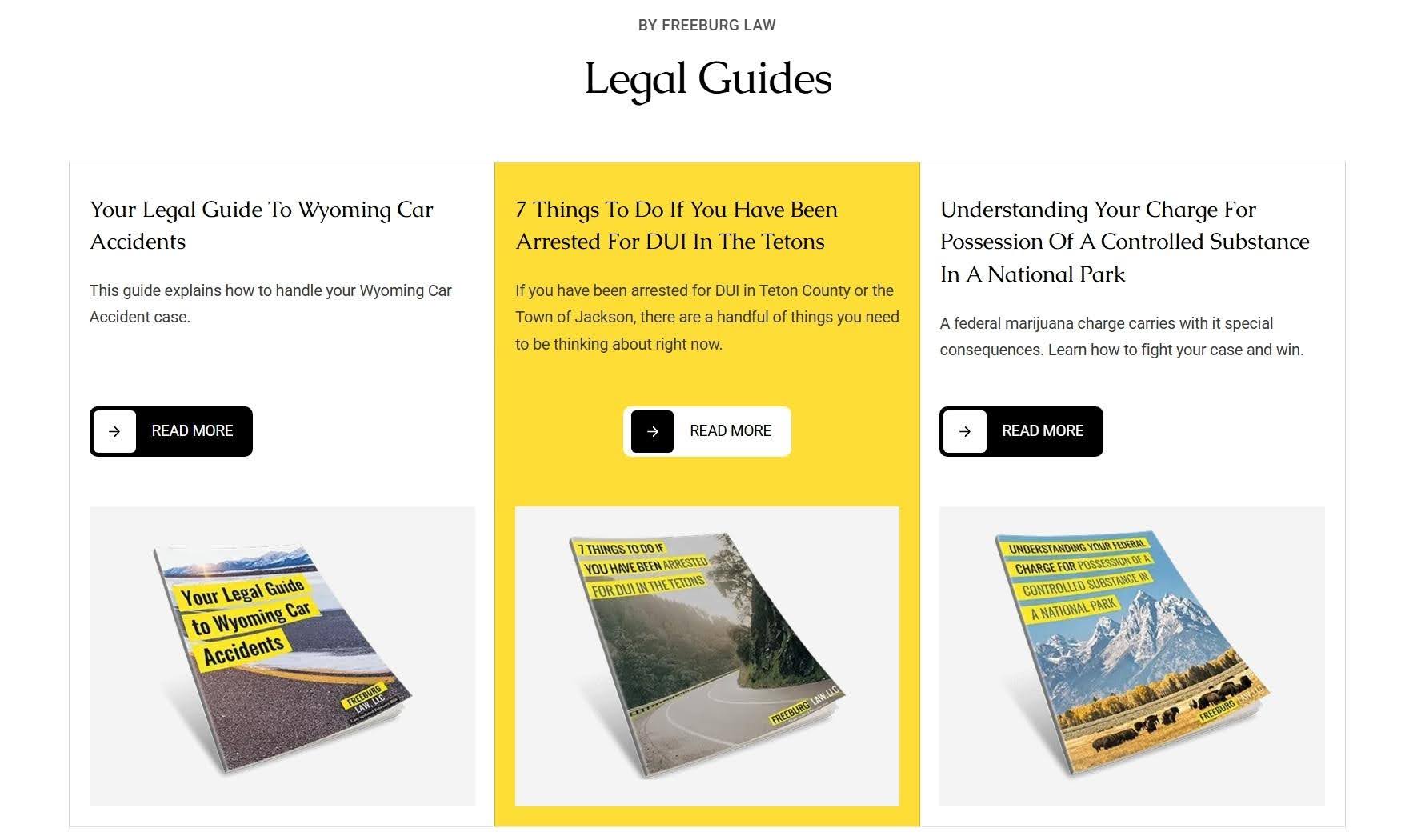
An example of this approach comes from Freeburg Law, a personal injury and criminal defense firm.
Their website doesn’t lead with aggressive calls to hire. Instead, it’s packed with guides explaining legal processes, timelines, and what clients should expect at each stage of a case. For someone facing a DUI charge or recovering from an accident, that information is immediately useful and hard to find elsewhere.
Because the firm serves specific locations and practice areas, its resources speak directly to a narrow, high-stakes audience. That specificity breeds confidence. The reader thinks, “They understand exactly what I’m going through.”
Source: tetonattorney.com
Compact Infographics Improve Trust Through Clarity
Attention is the scarcest resource online. Visitors land on your page with a question in mind and a clock ticking in the background. If you make them dig through paragraphs for an answer they need in seconds, you’ve already lost them.
That’s where concise infographics earn their place. They distill complexity into a format the brain processes almost instantly. Additionally, they respect the cognitive load your audience carries.
So how do you implement this?
Select the single most important comparison or process your customers need to understand.
Strip it to its essentials.
If you can’t explain the core insight in one sentence, narrow your focus further.
Then design the visual with clarity as the sole objective.
Avoid decorative elements that don’t aid comprehension.
Use color to direct attention, not to decorate.
Label data points directly rather than relying on separate legends.
Place the finished infographic where it answers an immediate question. The homepage hero area, pricing pages, or service comparison sections work best.
Test placement ruthlessly. If visitors scroll past without engaging, move it.
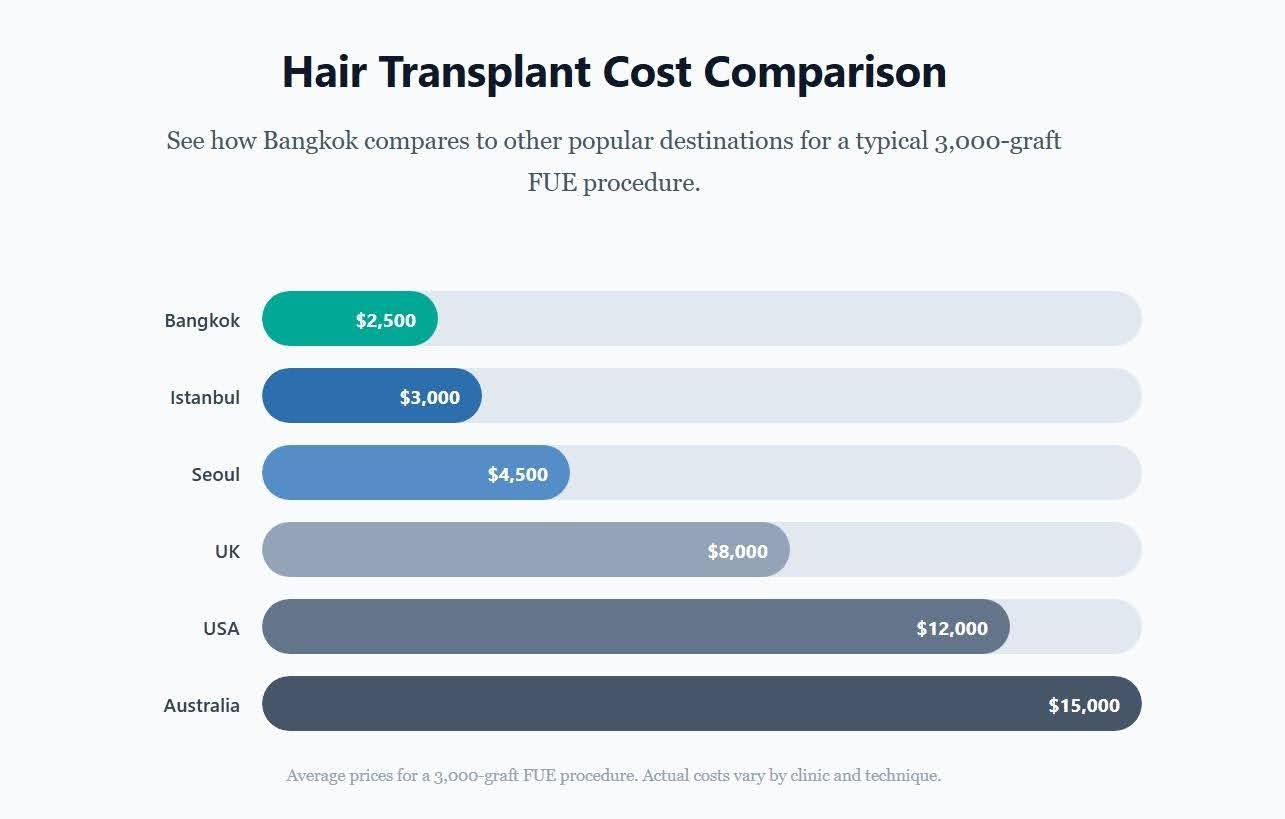
A brand that uses this tactic masterfully is Asia Patient, a platform that connects prospective clients with hair transplant clinics across Thailand.
Their homepage features a clean graph comparing procedure costs across popular medical tourism destinations like Turkey, South Korea, and the United States. One glance reveals Thailand as the most affordable option. There’s no narrative spin and no persuasive copy layered on top – just data presented intuitively.
For someone researching hair restoration options abroad, that single visual answers a primary concern before they’ve read a single paragraph. Also, it doesn’t feel like marketing because it isn’t. It’s a decision-making tool disguised as content, and that’s precisely why it builds trust.
The message lands without friction: “This brand wants me to make an informed choice, not a rushed one.”
Source: asiapatient.com
Interactive Content Proves You Understand Individual Needs
Generic recommendations feel dismissive. When a brand suggests the same solution to everyone who visits, it signals that individual circumstances don’t matter.
Your audience notices this. They’re comparing options, weighing constraints, and looking for evidence that you grasp what makes their situation unique. Interactive content addresses this directly. Instead of telling visitors what they need, you help them discover it themselves.
So how do you implement this?
Decide what’s the most common decision your customers struggle to make.
Maybe it’s choosing between service tiers, identifying the right product configuration, or understanding which timeline fits their budget.
Build a lightweight assessment tool around it (something that asks a few targeted questions and returns a personalized recommendation based on the answers).
Keep it short. Five to six well-chosen questions beat twenty mediocre ones every time.
Design the logic so outcomes feel genuinely tailored, not like every path leads to the same upsell.
Test the recommendations against real customer scenarios to verify accuracy.
Place the tool prominently on your homepage or product category pages, and track completion rates alongside conversion data.
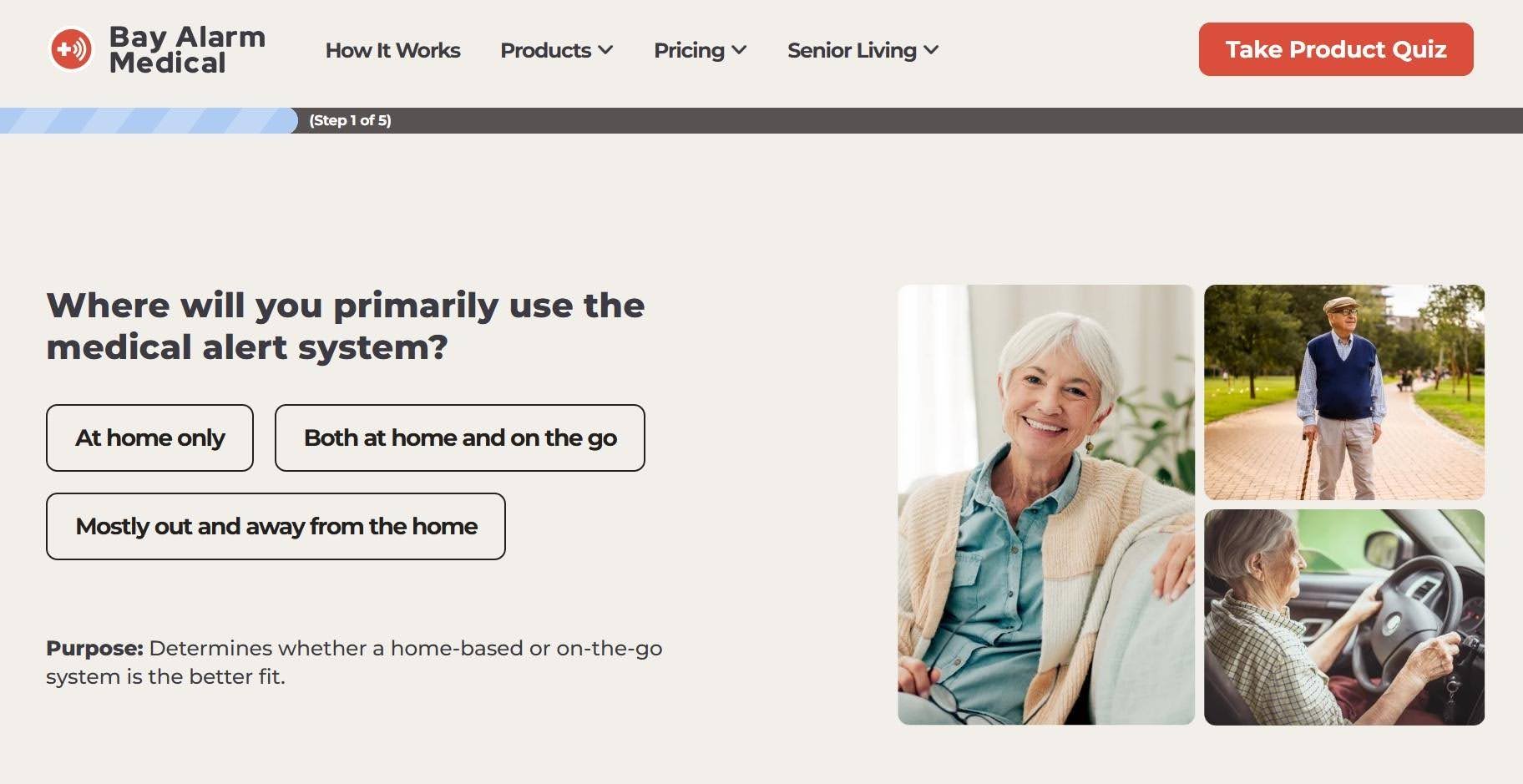
Bay Alarm Medical, a provider of medical alert systems for seniors and their caregivers, executes this beautifully.
Their website features a quiz that asks five straightforward questions about living situation, mobility level, and device preferences. Each question reflects genuine concerns their audience carries: “Will this work if mom falls in the backyard?” “What if she doesn’t wear a pendant?”
Based on the answers, the quiz recommends a specific system and lets visitors order immediately. There’s no friction between discovery and purchase. The experience feels consultative rather than transactional because the brand isn’t pushing a flagship product. It’s guiding each person toward the right fit.
For families making safety decisions under emotional pressure, that guidance converts and reassures. And that reassurance is the foundation of lasting trust.
Source: bayalarmmedical.com
User-Generated Content Validates What You Say About Yourself
Marketing claims carry an inherent burden of proof. When you declare your product reliable or your service exceptional, audiences instinctively discount those statements. They know you have a vested interest. What they actually want is evidence from someone who doesn’t.
That’s why user-generated content functions differently from any brand-created material. It borrows credibility from its source and transfers it to you.
Research finds that 79% of people say UGC highly impacts their purchasing decisions. The number isn’t surprising when you consider the dynamic. A stranger with no stake in your success simply shares their experience, and that neutrality makes the message believable.
So how do you implement this?
Gather the formats your audience already creates naturally (reviews, testimonials, case studies, social posts, or video walkthroughs).
Request permission to feature the strongest examples prominently.
Placement matters enormously. Don’t bury testimonials on a dedicated page no one visits. Integrate them where buying decisions happen, like product pages, checkout flows, pricing comparison tables, and homepage hero sections.
Include real names, roles, and photos whenever possible. Anonymity undermines credibility.
Avoid the temptation to edit quotes into polished marketing speak. Authentic language, even with its imperfections, outperforms copywriter-crafted testimonials every time.
Finally, make submission easy. A simple form or a follow-up email asking one specific question often yields better material than an open-ended request for feedback.
CapitalPad, a platform connecting investors with private investment opportunities, demonstrates this principle with precision.
Their homepage features a client testimonial section that includes direct quotes from real users alongside their full names, professional roles, and clear headshot photographs. There’s no paraphrasing, no selective editing, and no anonymous attribution.
A prospective entrepreneur scrolling through sees an investor sharing his experience, then a sponsor at a private equity firm offering theirs. Each testimonial feels like a peer recommendation rather than a marketing asset.
For an audience evaluating where to allocate significant capital, that social proof is foundational. The message lands cleanly: “People like you trust this platform, and we’re confident enough to let them speak freely.”

Source: capitalpad.com
Video Content Demonstrates You Respect Your Audience’s Time
Reading requires effort. Your audience doesn’t always have that effort to give, especially when they’re evaluating a new product or service during a busy day.
Video meets them where they are. It conveys tone, demonstrates functionality, and builds familiarity faster than text alone ever could. The format acknowledges an unspoken truth that, sometimes, people want to understand what you offer without working through paragraphs of prose.
That preference isn’t niche. In fact, 96% of people have watched an explainer video to learn more about a product or service. That near-universal adoption tells you everything. Today, video is an expectation.
So how do you implement this?
Identify the one thing visitors most commonly struggle to grasp about your offer. That’s your explainer video’s sole job.
Script it tightly. Two minutes gives you enough room to state the problem, show how your solution works, and demonstrate the outcome.
Don’t try to cover every feature.
Don’t open with a slow brand animation or a lengthy introduction.
Lead with the problem your customers recognize, then move directly into how you solve it.
Host the video prominently (your homepage hero area or primary product page) and include captions for viewers watching without sound.
Track both view-through rates and the behavior of visitors who watch versus those who skip. The data will tell you whether your explanation lands.
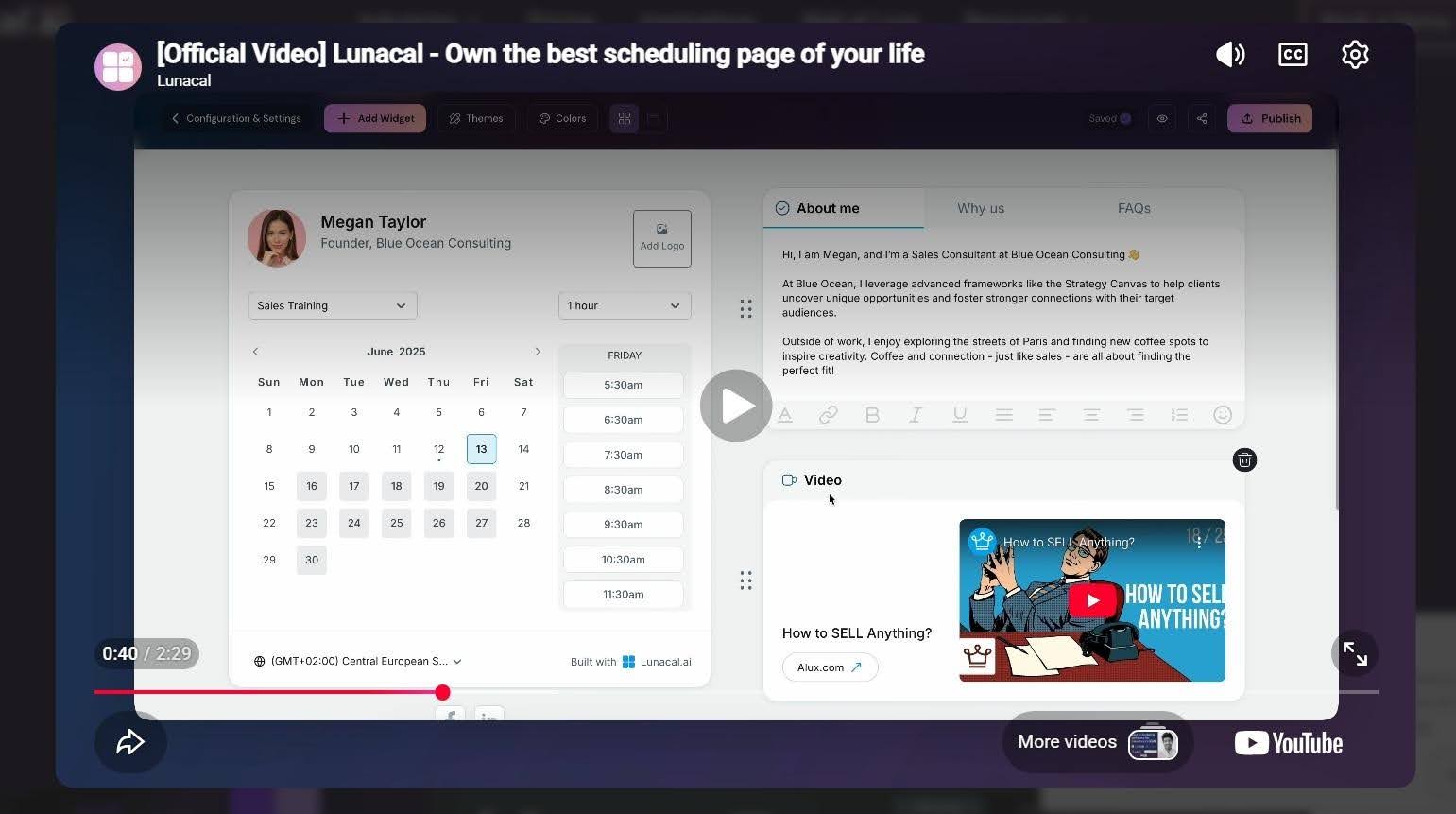
Lunacal, an online appointment booking and scheduling platform, executes this with clarity and confidence.
When you land on their website, an invitation to watch their introduction video appears immediately. The video itself runs about two minutes and walks through exactly how the system works, from setting availability to accepting bookings to managing client communications. There’s only a straightforward demonstration of functionality, no abstract brand storytelling.
For a busy business owner evaluating whether Luncal fits their workflow, that video replaces fifteen minutes of clicking through feature pages and reading documentation. The brand communicates that they know your time is limited and that they’ve done the work to explain themselves efficiently.
That thoughtfulness registers. It feels like respect, which, in turn, reinforces trust.
Source: lunacal.ai
Final Thoughts
Brand trust develops through consistent and useful interactions.
The formats we explored above align well with modern search behavior and GEO strategies because they focus on clarity, relevance, and user intent. Brands that provide practical value, simplify complex information, and support transparency create stronger long-term relationships with customers.
As AI-driven discovery platforms continue shaping how people research products and services, trustworthy content will remain one of the most important competitive advantages businesses can build.
🔥 Limited Time Deal
NewGet lifetime access to Postunreel with a one-time payment. Never pay again!
Your Go-To Solution for Stunning Carousels using AI!
Postunreel is a free AI carousel generator tool that helps you design captivating carousel posts for LinkedIn, Instagram, and other platforms. It makes it easier to increase social media engagement and grow your audience.
Create Free Carousel Now 🚀Related Blogs
Best Free Photo Editing Software in 2026
Find best free photo editing software in 2026. Compare Affinity, GIMP, darktable, Photopea and Paint.NET, with edit workflow for bloggers.
How to Improve Focus in Photos: 11 Fixes
Blurry photos? Learn how to improve focus in photos with 11 proven fixes, from autofocus modes to focus stacking. Get sharper shots.
Generate Custom Infographic Illustrations for Complex Ideas
Learn how to create AI infographic illustrations with Dreamina. Turn complex ideas into clear, engaging visuals for presentations, reports, and blogs.