10 Top SEO Dental Tips to Boost Online Leads
Discover 10 proven dental SEO tips to boost online leads, improve Google rankings, and attract high-value patients to your dental practice.
Running a dental practice often feels like a juggling act. You are balancing patient care, staff management, and the ever-present need to grow your business. You know that word-of-mouth isn't enough anymore. You need to be visible where your patients are looking: Google. Many practices today also use tools like an AI ad generator to create engaging promotional campaigns that attract more local patients online. But for many dentists, Search Engine Optimization feels like a foreign language.
Enter Justin Morgan, better known in the industry as the "Dental Marketing Guy." He has built a reputation on demystifying the complex world of digital marketing specifically for dentists, offering dental SEO services. His philosophy is simple: search engine optimization isn't just about tricking an algorithm; it's about building authority and trust so that the right patients find you at the right time.
If your website is gathering digital dust instead of booking appointments, it’s time for a check-up. We’ve compiled ten of Justin Morgan’s top SEO tips designed to help you climb the search rankings and turn clicks into loyal patients.
1. Understand the "Invisalign" Effect on Keywords
Many dentists make the mistake of optimizing their websites strictly for general terms like "dentist" or "teeth cleaning." While these are important, Morgan emphasizes the power of high-value, specific service keywords. This is often referred to as the "Invisalign effect."
Patients looking for cosmetic procedures, dental implants, or Invisalign are often further down the purchasing funnel. They aren't just looking for a check-up; they are looking for a solution to a specific problem. By creating dedicated pages optimized for these high-ticket items, you attract leads that are more likely to convert into significant revenue.
Don't just mention these services in a bulleted list on your homepage. Build out robust, informative pages for each service. Answer common questions, explain the process, and use the specific terminology potential patients are typing into the search bar.
2. Local SEO is Your Lifeline
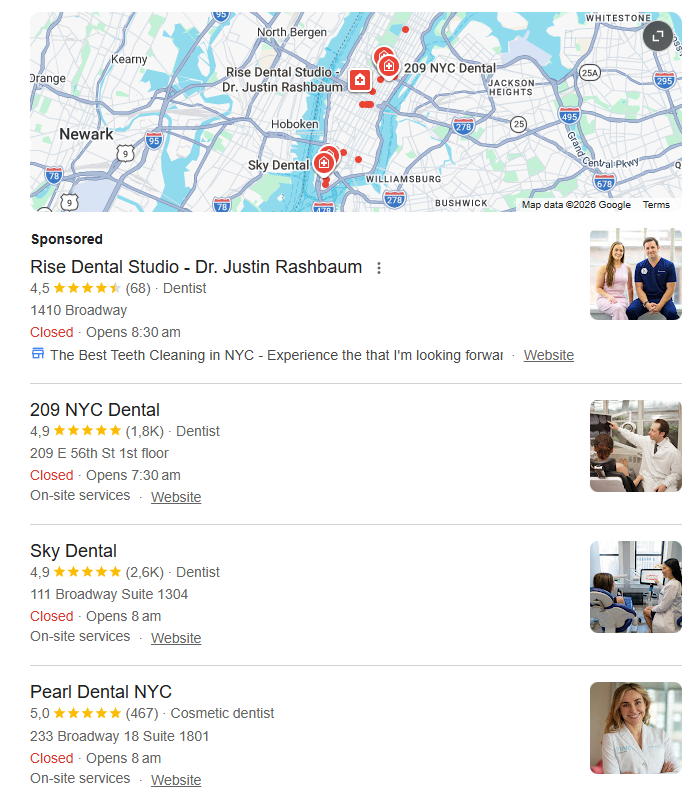
You aren't trying to rank for "best dentist" globally; you want to be the "best dentist in [Your City]." Local SEO is the cornerstone of dental marketing. Morgan advises that your Google Business Profile (formerly Google My Business) is just as important as your actual website.
Ensure your profile is fully optimized. This means:
Verification: Make sure you own the listing.
Consistency: Your Name, Address, and Phone Number (NAP) must match exactly what is on your website and other directories.
Categories: Select the correct primary and secondary categories (e.g., Cosmetic Dentist, Pediatric Dentist, Dental Implants, Periodontist).
Photos: Regularly upload high-quality photos of your office, your team, and happy patients (with consent).
When Google sees an active, accurate profile, it is more likely to serve your practice in the "Map Pack"—the top three local results that appear at the top of the search page.
3. The Power of Authentic Reviews
You likely ask patients for reviews, but are you doing it strategically? Quantity matters, but quality and recency matter more. A practice with 50 reviews from three years ago appears less relevant to Google (and patients) than one with 20 reviews from the last three months.
Morgan suggests automating this process where possible, but keeping the request personal. Authenticity is key. Google’s algorithms are getting smarter at detecting fake or incentivized reviews. Encouraging your patients to mention the specific service they received in their review can also boost your SEO for those specific keywords.
For example, a review that says, "Dr. Smith did an amazing job with my porcelain veneers," is SEO gold compared to a generic "Great service."
4. Site Speed: The First Impression
Imagine a patient walking into your waiting room, and the receptionist ignores them for ten minutes. They would probably leave. The same happens online. If your website takes more than three seconds to load, potential leads will bounce back to the search results and click on your competitor.
Site speed is a confirmed ranking factor. Morgan points out that dental websites are often bogged down by massive, uncompressed images of smiles.
Audit your site: Use tools such as Google PageSpeed Insights to assess your score.
Compress images: Use tools to shrink file sizes without losing quality.
Mobile-first: Most of your patients are searching on their phones. If your site is slow on mobile, you are invisible.
5. Content is King, but Context is Queen
"Blog more" is common advice, but "blog smart" is better advice. Justin Morgan warns against posting generic content provided by cookie-cutter marketing agencies. If 500 other dentists have the exact same blog post about "Why Flossing is Important," Google has no reason to rank yours.
Your content needs to demonstrate Experience, Expertise, Authoritativeness, and Trustworthiness (E-E-A-T). Write about local community events you participated in, case studies of difficult procedures you successfully treated, or answers to specific questions your patients ask in the chair.
Contextual content connects your practice to your location and expertise.
6. Video Marketing for Trust
Dentistry is an intimate service. People are anxious about someone working in their mouth. Video is the fastest way to build trust before a patient even calls you.
Embedding video content on your website increases "dwell time"—the amount of time a visitor spends on your site. When Google sees people staying on your page to watch a video, it signals that your website provides value.
Morgan recommends simple, authentic videos. An introduction from the doctor, a tour of the sterilization area, or a patient testimonial video can be incredibly effective. You don't need a Hollywood production crew; a smartphone, good lighting and a video maker tool, are often enough to build a genuine connection.
7. Technical SEO: The Foundation
You can have beautiful photos and great blogs, but if the technical foundation of your site is broken, you won't rank. This is the "under the hood" stuff that Morgan emphasizes is critical for long-term success.
Common technical issues for dental sites include:
Broken links: Pages that lead to 404 errors.
Duplicate content: Having the same text on multiple pages (often happens with service descriptions).
Missing XML Sitemaps: These maps tell Google how to crawl your site.
No SSL Certificate: If your site says "Not Secure" (http instead of https), Google will penalize you, and patients will be scared away.
Regular technical audits are necessary to ensure your website's path is clear for search engine crawlers.
8. Link Building: Quality Over Quantity
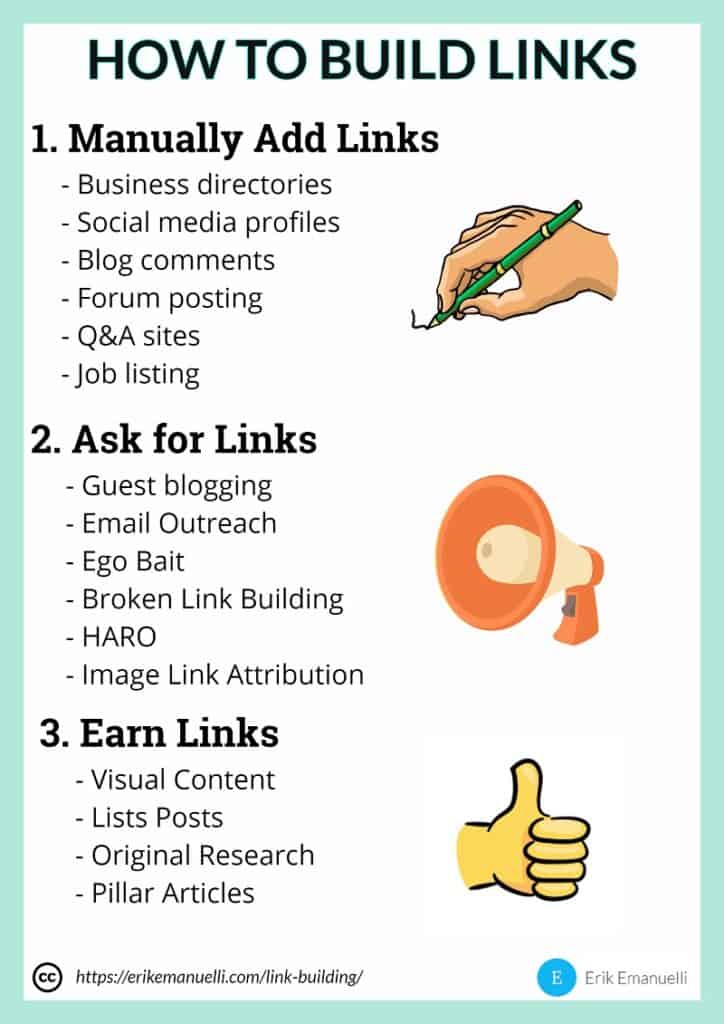
Backlinks (links from other websites to yours) act as votes of confidence in Google's eyes. However, not all votes are equal. One link from a reputable local news station or a major dental association is worth more than 100 links from spammy, irrelevant directories.
Morgan advises focusing on "local link building." Sponsor a local Little League team, get featured in the local chamber of commerce newsletter, or host a charity event. These links signal to Google that you are a legitimate, active member of your specific geographic community, which heavily influences local rankings.
Avoid "link farms" or buying cheap links. These "black hat" tactics can result in Google penalizing your site and removing it from search results entirely.
9. Optimize for Voice Search
"Hey Siri, find a dentist near me open on Saturdays."
Voice search is changing the way people find healthcare providers. Voice queries tend to be more conversational and longer than typed searches.
To capture this traffic, Morgan suggests incorporating natural language into your content. Create an FAQ page that mimics exactly how people ask questions. Instead of just keywords like "Emergency Dentist Chicago," use headings like "Where can I find an emergency dentist in Chicago who takes my insurance?"
Structuring your data with Schema markup (code that helps search engines understand your content) can also help your answers appear in voice search results.
10. Track, Measure, and Adjust
SEO is not a "set it and forget it" strategy. It is a marathon, not a sprint. If you aren't tracking your results, you are flying blind.
Morgan stresses the importance of setting up Google Analytics and Google Search Console. You need to know:
Where is your traffic coming from?
Which pages are people visiting most?
What keywords are driving conversions (phone calls or form fills)?
By analyzing this data, you can see what is working and what isn't. Maybe your blog post on "Teeth Whitening" is getting traffic, but no one is booking appointments. That tells you to adjust your call-to-action on that page. Continuous improvement based on data is how you win in the long run.
Why "Good Enough" Isn't Enough Anymore
The digital landscape for dentistry has become incredibly competitive. A decade ago, having a website was an advantage. Today, it is the bare minimum.
Following these tips from the Dental Marketing Guy helps move your practice from a passive participant in the digital world to an active authority. It requires time, effort, and consistency, but the return on investment—a steady stream of qualified patients who trust you before they even walk through the door—is worth the work.
Focus on building a digital presence that reflects the quality of care you provide in the chair. When your online authority matches your clinical expertise, your practice will thrive.
🔥 Limited Time Deal
NewGet lifetime access to Postunreel with a one-time payment. Never pay again!
Your Go-To Solution for Stunning Carousels using AI!
Postunreel is a free AI carousel generator tool that helps you design captivating carousel posts for LinkedIn, Instagram, and other platforms. It makes it easier to increase social media engagement and grow your audience.
Create Free Carousel Now 🚀Related Blogs
How to Remove Background in GIMP: Step by Step Guide for 2026
Learn how to remove background in GIMP with 3 methods: Fuzzy Select, Foreground Select, and Paths. Get a clean transparent PNG in minutes for free.
Free AI Video Maker: 5 Tools That Actually Work in 2026
Free AI video maker guide: real daily credits, watermark rules and clip limits for Google Flow, Kling, Pika and more. Pick the right tool fast.
The Modern Business Survival Guide: Preparing for the Problems You Can Not Predict
Learn how to build business resilience with practical strategies for managing unexpected problems, protecting communication, diversifying revenue, and preparing your team for disruptions.