How to Supercharge Your Personal Brand: 4 Visual Storytelling Lessons from Industry Leaders
Learn how to build a powerful personal brand using visual storytelling. Discover proven strategies, carousel frameworks, and expert insights to boost engagement and stand out online.
The modern digital landscape is exceptionally crowded. Professionals across every sector are fighting a constant battle for attention. Whether you are an aspiring founder, a seasoned executive, or a freelance creative, your personal brand is your most valuable asset. However, simply writing long blocks of text on social media is no longer enough to capture the hearts and minds of your target audience. You need a mechanism to stop the scroll.
You need visual storytelling.
Why do marketers hate trampolines?
Because they are absolutely terrified of a high bounce rate! Jokes aside, keeping your audience engaged and preventing them from bouncing away from your profile is the ultimate goal of any personal branding strategy. If your audience leaves before consuming your content, your expertise remains a secret.
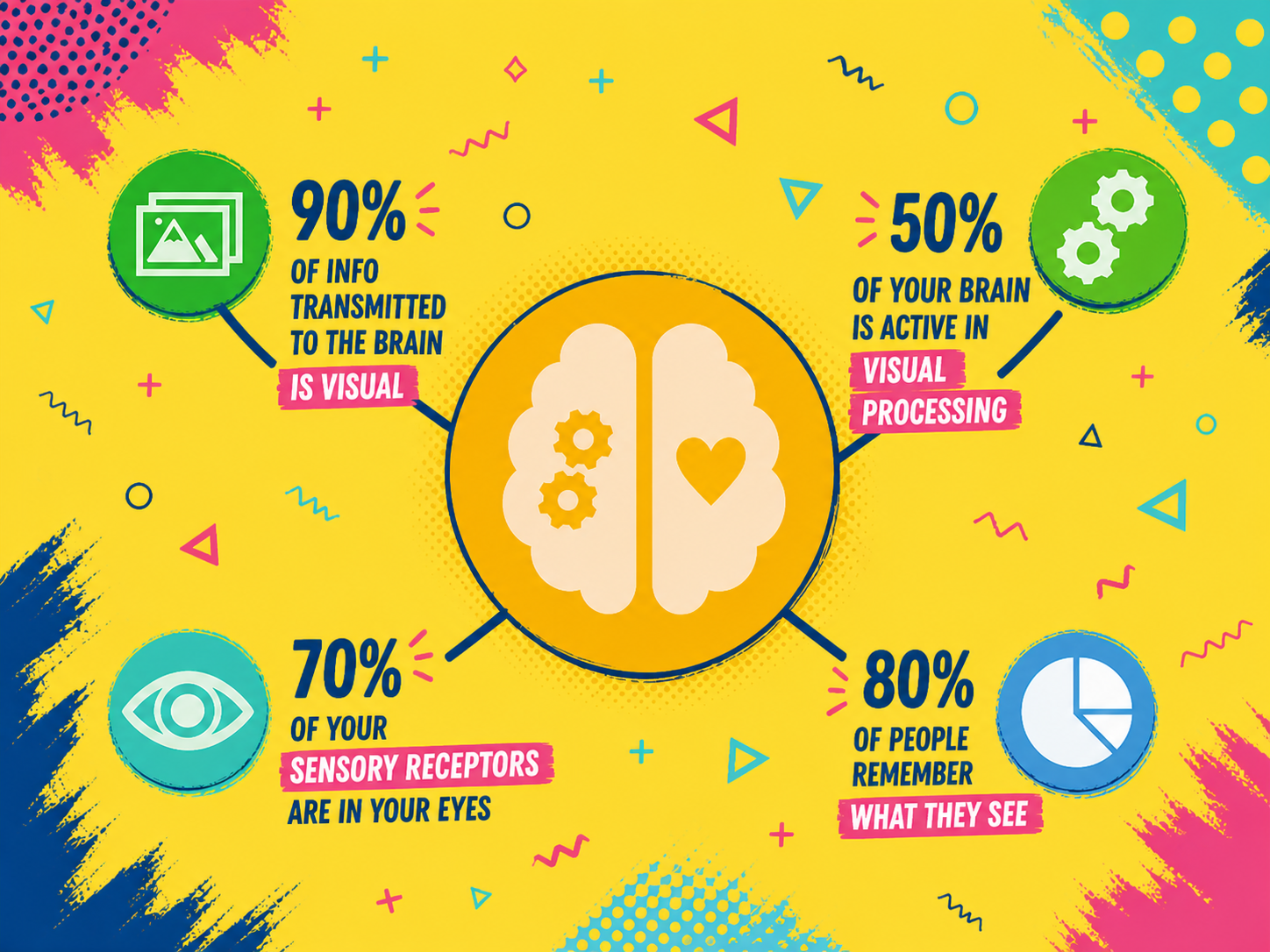
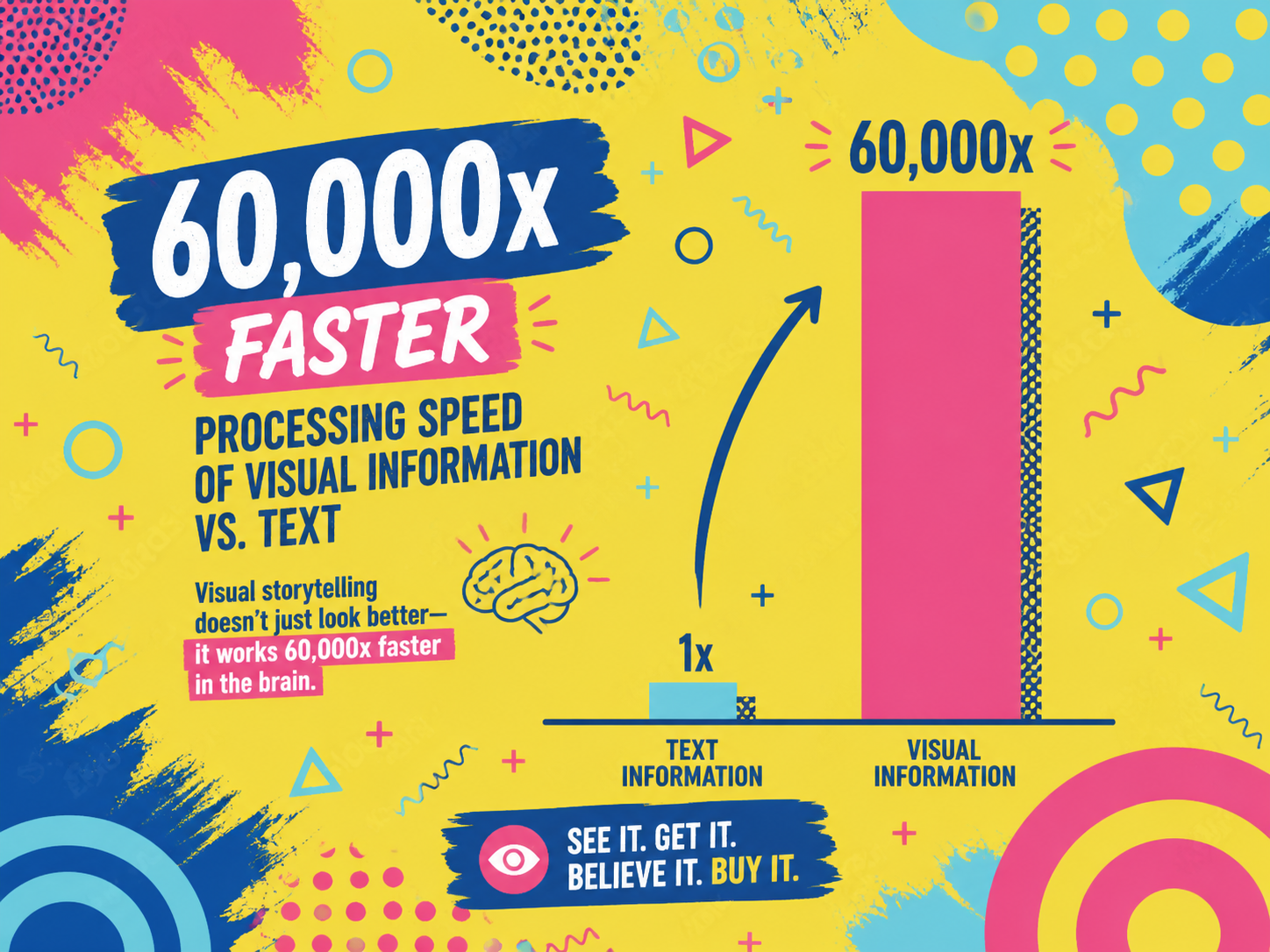
This is where visual communication comes into play. Human beings process visual information significantly faster than written words. A classic study by the 3M Corporation found that the human brain processes images 60,000 times faster than text. Furthermore, research published by the Social Science Research Network concluded that 65 percent of the global population are visual learners. These data points provide a compelling argument. When you share a business insight wrapped in a beautifully designed carousel, you are literally speaking the native language of the human brain.
LinkedIn has aggressively optimized its algorithms to favor visually driven carousels. By requiring users to swipe through slides, carousels increase dwell time, signaling to the algorithm that your content is valuable. Let us look at how top minds structure their visual stories to achieve maximum engagement.
The Core Principle of Visual Storytelling
Great leaders understand that simplification is the ultimate form of sophistication. When you are building a personal brand, your primary objective is to make your ideas accessible to the widest possible audience without diluting the core message. Visual content forces you to be disciplined with your words.
Consider the approach of Chris Do, the CEO of The Futur, a boutique online education platform. Do has built a massive personal brand by mastering the art of minimalist visual communication. Instead of cramming his expertise into dense paragraphs, he relies on high contrast typography and generous negative space to anchor his narrative. His educational carousels rarely contain cluttered bullet points; rather, they feature one striking concept or a single powerful question per slide. When crafting your own digital presence, adopt this exact discipline. Give your audience room to breathe and let them process one single idea at a time.
Making the Tactile Digital
In the world of physical products, the visual aesthetic is everything. The way a product looks and feels dictates its perceived value. This principle is not limited to physical goods; it applies directly to how you present your professional identity online. If your presentation is sloppy, people will assume your work is sloppy.
David Chan, the CEO of Davilane, understands this dynamic perfectly. His company specializes in innovative watch straps, a product relying heavily on tactile quality. Chan notes that when selling an accessory online, words often fail to capture texture, so you must tell a compelling story with a single glance. He states that your personal brand operates on the exact same frequency. If your audience cannot visually grasp your core message in the first three seconds of swiping through your feed, they are gone forever.
Chan highlights a crucial vulnerability. We often fall in love with our expertise and share every detail. Instead, we must curate our knowledge. Use visual carousels to highlight the transformation you offer, avoiding mechanical jargon. By focusing on the visual hook, you earn the right to explain the deeper details later.
Distilling Density into Clarity
Some industries are inherently complex. Education, academia, and deep technology often struggle to gain traction on social media because the subject matter feels too dense for casual consumption. However, complexity should never be an excuse for poor communication.
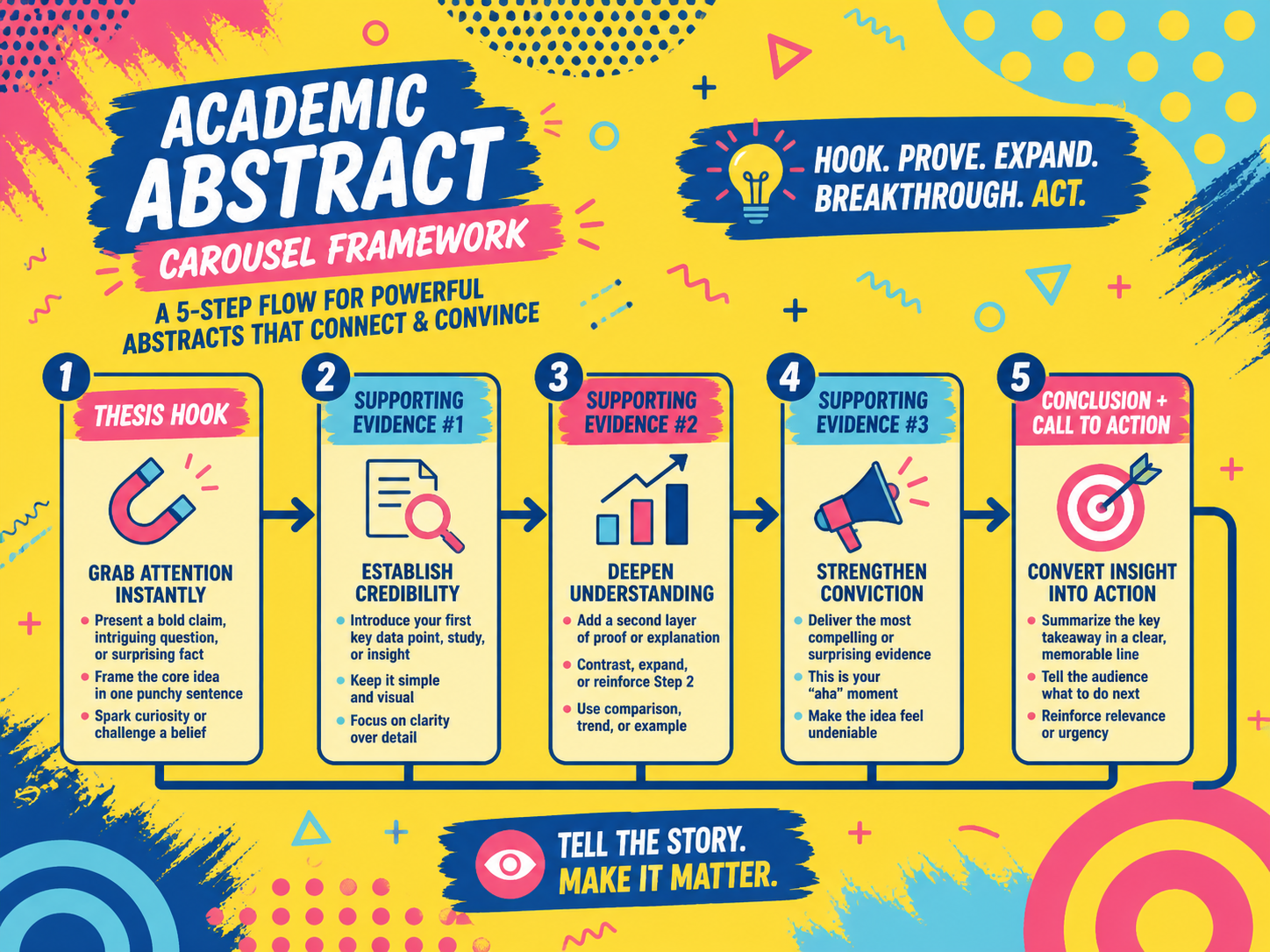
Ambikesh Sharma, the CEO of EssayShark, deals with heavy text daily. His company assists students with academic research. Sharma provides this actionable insight on digital presence. He explains that academic writing is dense, but the best research boils down to a clear thesis. A strong personal brand requires stripping away jargon. When you post a carousel on LinkedIn, treat it like an academic abstract. Give your audience the thesis on slide one, support it with evidence on slides two through four, and prove your conclusion by slide five.
This abstract framework provides a reliable template for any thought leadership post. The hook is your thesis, the body slides are your supporting arguments backed by data, and the final slide is your conclusion. This structure guides the reader effortlessly.
Making the Intimidating Approachable
Trust is the currency of the digital economy. If your audience feels intimidated by your content, they will scroll past it. If they feel empowered, they will engage, share, and ultimately convert into loyal followers or clients.
David Kemmerer, the CEO of CoinLedger, has built a successful software company by solving an intimidating pain point. He shares unique wisdom on making the complex accessible. He points out that crypto taxes are universally dreaded because the concept is complicated, which is why his team uses visual roadmaps to make the process approachable. As an executive, your primary job is to take the most intimidating parts of your industry and make them visually digestible for the layman.
Kemmerer hits on a profound truth. Your value as a thought leader is proportional to your ability to simplify the terrifying. Post beautifully designed infographics instead of spreadsheets. Your audience will reward you for doing the heavy lifting of translation. If you can make taxes look simple, you can make anything look simple.
The Content Transformation Framework
Now it is time to put their wisdom into practice. The transition from text-heavy posts to visually engaging carousels requires a systematic approach. You must edit, condense, and design for maximum impact. To help you visualize this transformation, we have created a comparative framework.
Content Element | Traditional Text Post | Visual Carousel Strategy
|
|---|---|---|
The Hook | Long opening sentence with deep context. | High contrast slide with a punchy title. |
Data Presentation | Embedded within large paragraphs. | One major statistic per slide with graphs. |
Narrative Flow | Requires the reader to skim for value. | Forces a step by step logical progression. |
The Conclusion | A brief summary at the bottom of the feed. | A dedicated final slide with a call to action. |
As the table illustrates, the visual format demands brevity. Tools like Postunreel bridge this gap seamlessly. By leveraging artificial intelligence, you can feed a dense article into the system and watch it generate a structured, visually appealing carousel that adheres to these best practices.
Final Thoughts
Building a personal brand is a marathon, not a sprint. It requires consistency, authenticity, and a deep understanding of how your audience consumes information. By studying the tactics of leaders across e-commerce, technology, education, and finance, we uncover a universal truth. Visual storytelling is the key to cutting through the noise in modern digital ecosystems.
Building a personal brand requires a fundamental shift in how you share knowledge. You must transition from simply writing content to designing visual experiences. As you craft your next post, use this actionable blueprint:
Do limit yourself to one core idea per slide to give your audience room to breathe.
Do not overwhelm readers with walls of text or cluttered bullet points.
Do treat your opening slide as a three-second test; if the value is not immediately obvious, redesign it.
Do not bury the lead. Present your thesis immediately, just like an academic abstract.
Do leverage visual roadmaps to make intimidating or dry subjects completely approachable.
The modern digital ecosystem rewards clarity over complexity. Stop hiding your hard-earned expertise behind dense paragraphs. Start translating your insights into clear visual stories, and you will quickly turn passive scrollers into a highly engaged community.
🔥 Limited Time Deal
NewGet lifetime access to Postunreel with a one-time payment. Never pay again!
Your Go-To Solution for Stunning Carousels using AI!
Postunreel is a free AI carousel generator tool that helps you design captivating carousel posts for LinkedIn, Instagram, and other platforms. It makes it easier to increase social media engagement and grow your audience.
Create Free Carousel Now 🚀Related Blogs
How to Exit Incognito Mode on iPhone (2026 Guide)
Learn how to exit incognito mode on iPhone in seconds step-by-step for Safari and Chrome, plus fixes for common private browsing glitches.
What is an Email Address? Full Structure Guide
What is an email address? Learn its structure, how it works, and how to validate one clear, no-jargon guide with examples.
Coaxial Cable for Internet: RG6 vs RG59 Guide
Coaxial Cable for Internet: RG6 or RG59? See signal-loss data, DOCSIS speed limits, and guide to faster, more stable coax internet at home.